Sol
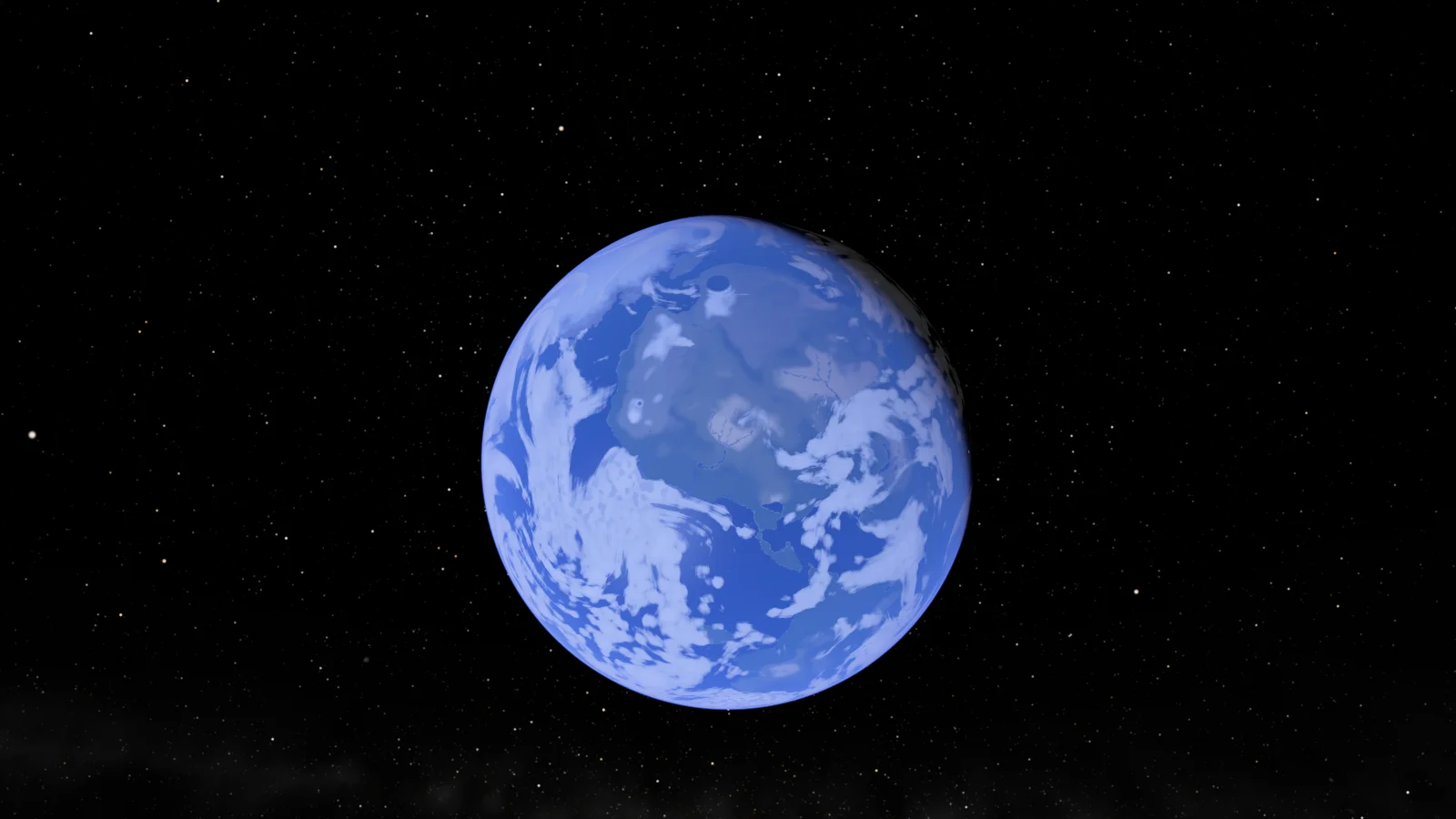
Our Solar System, placed where it is today.

A 3D N-body simulator in your browser
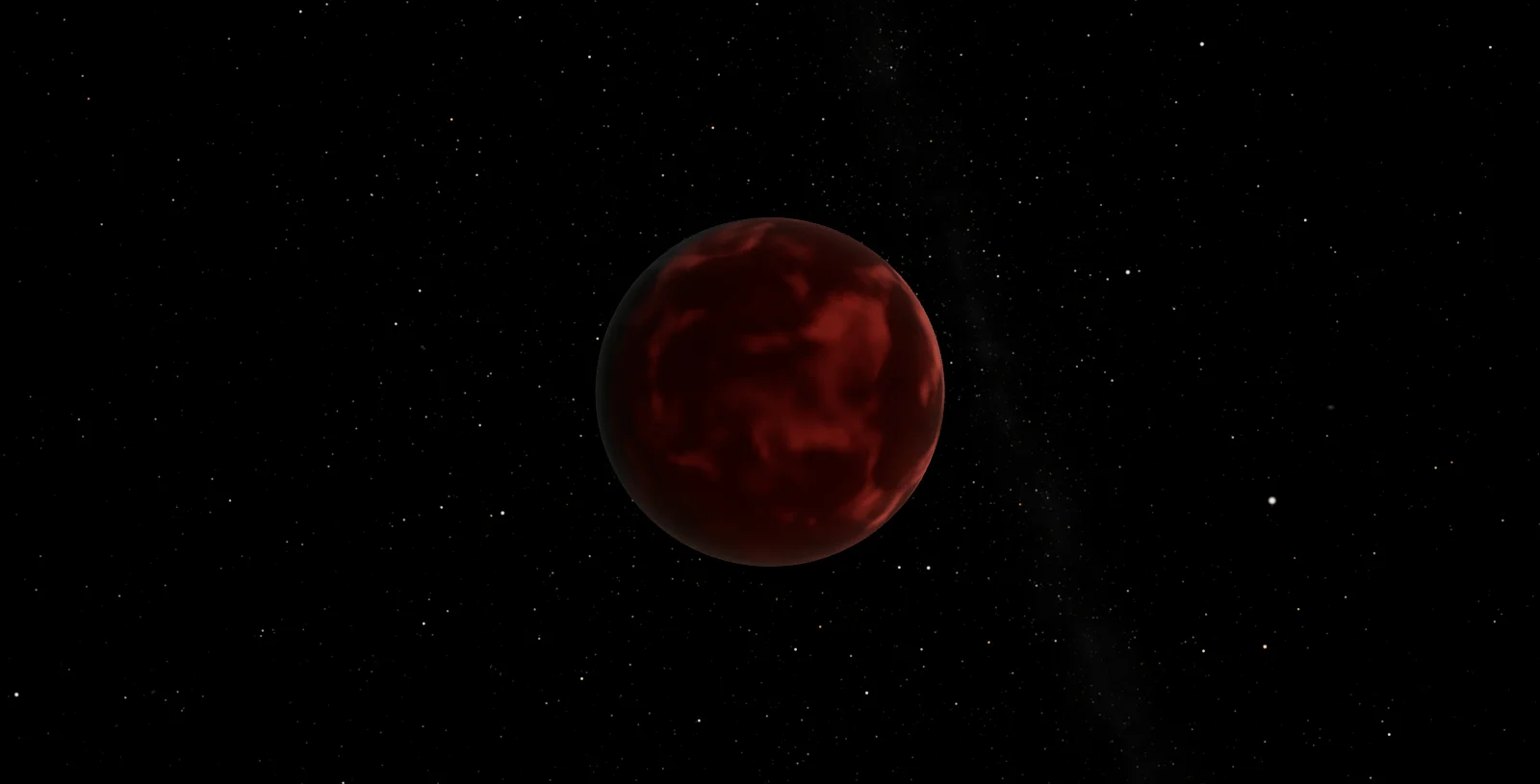
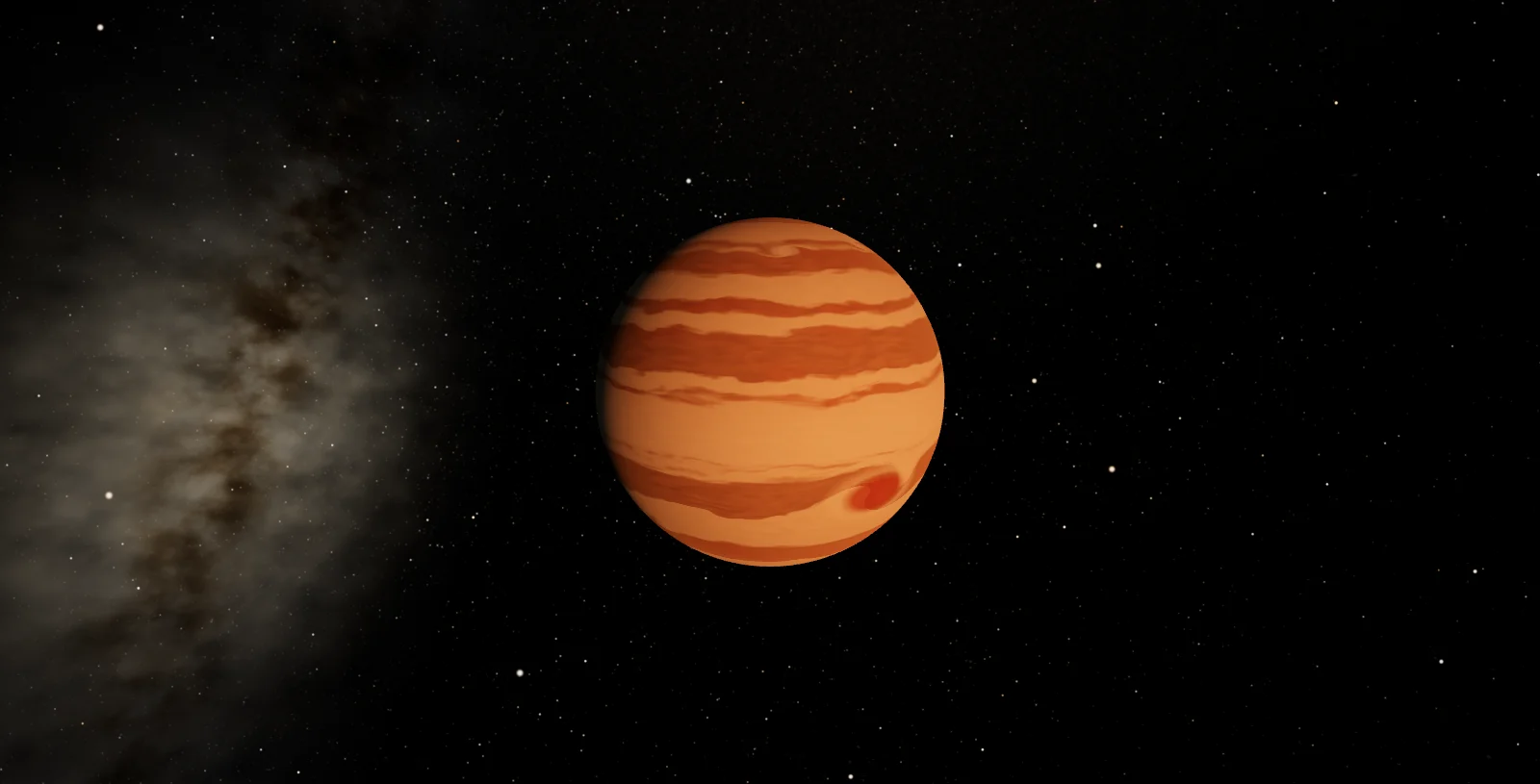
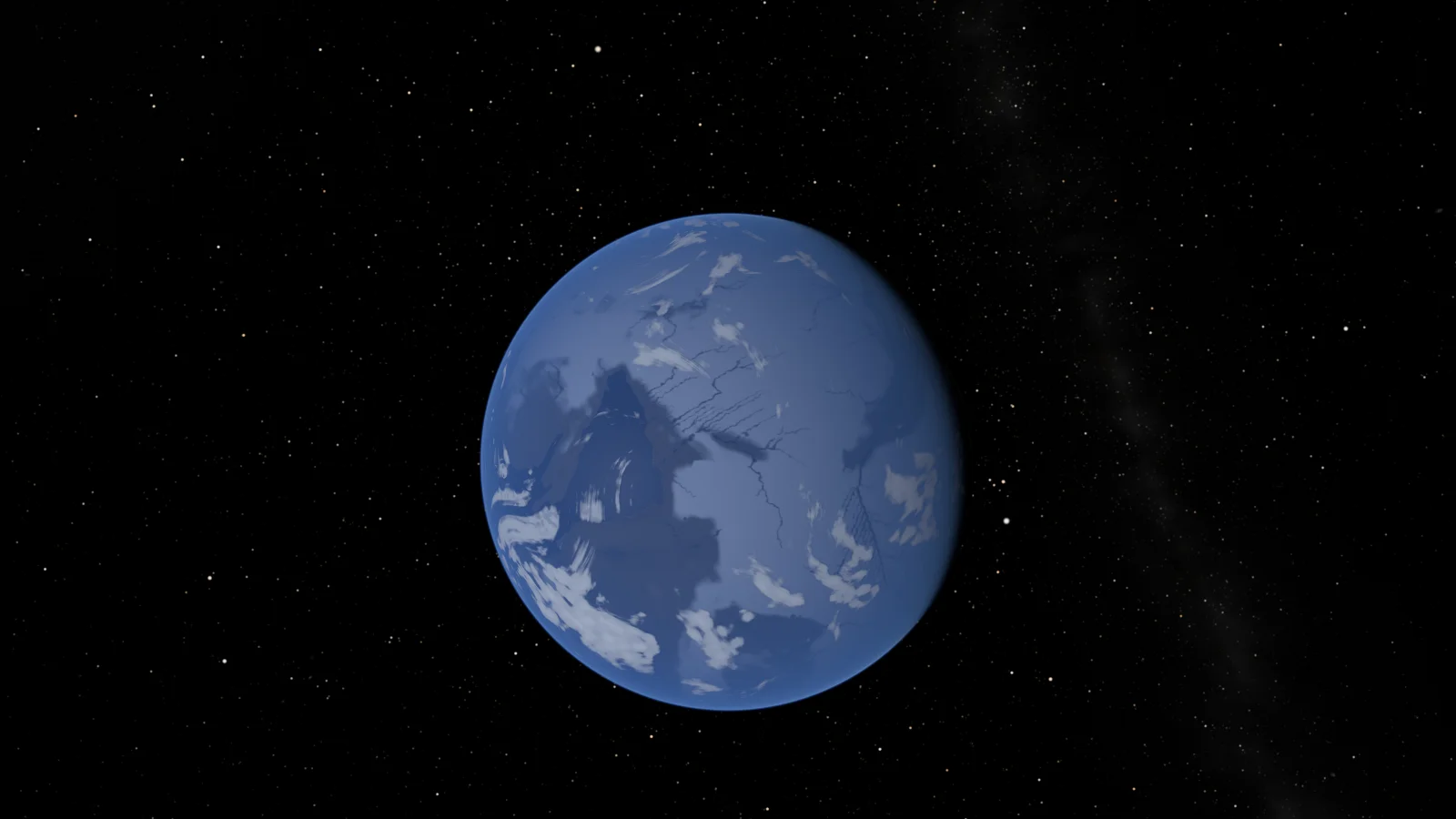
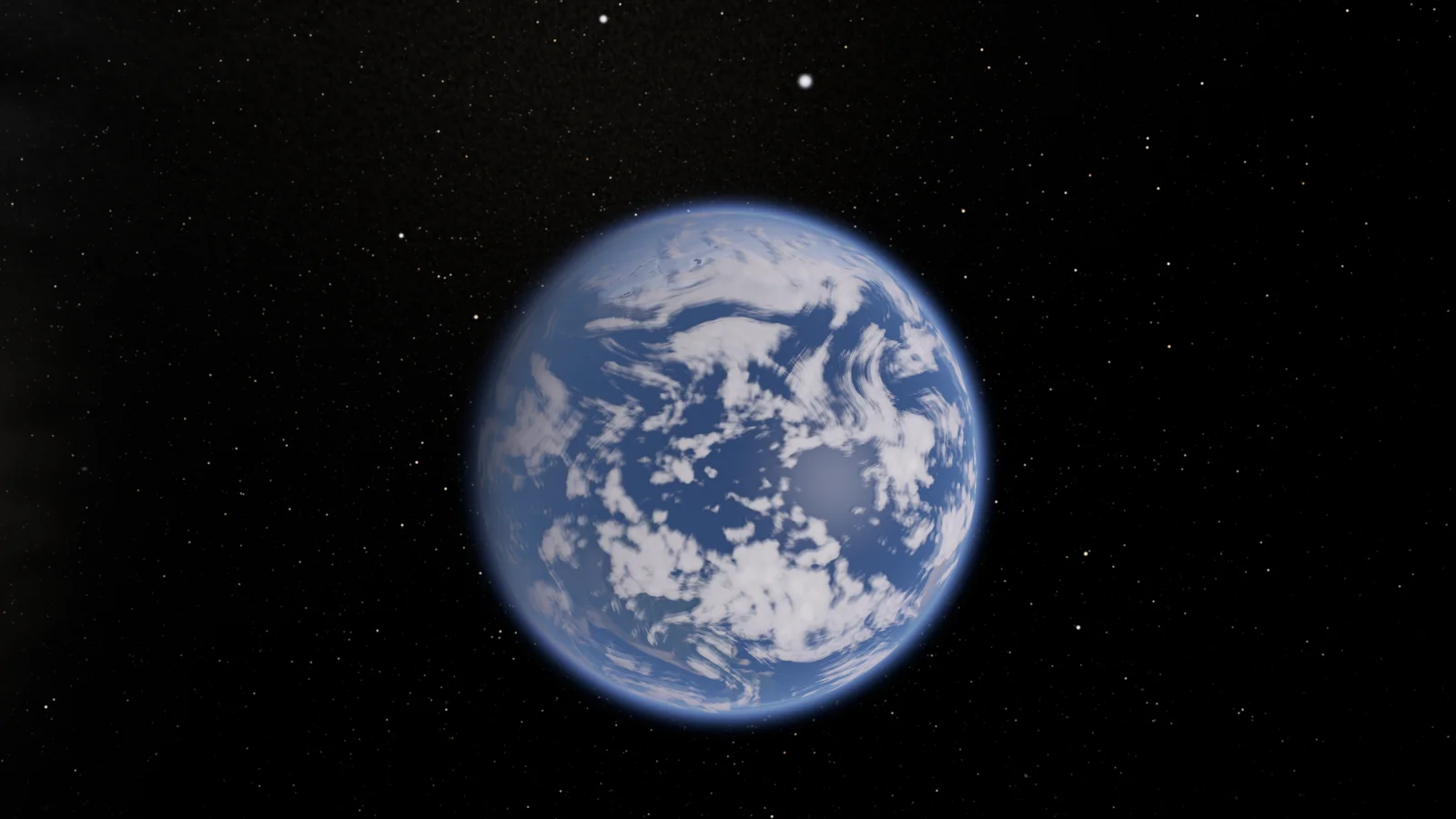
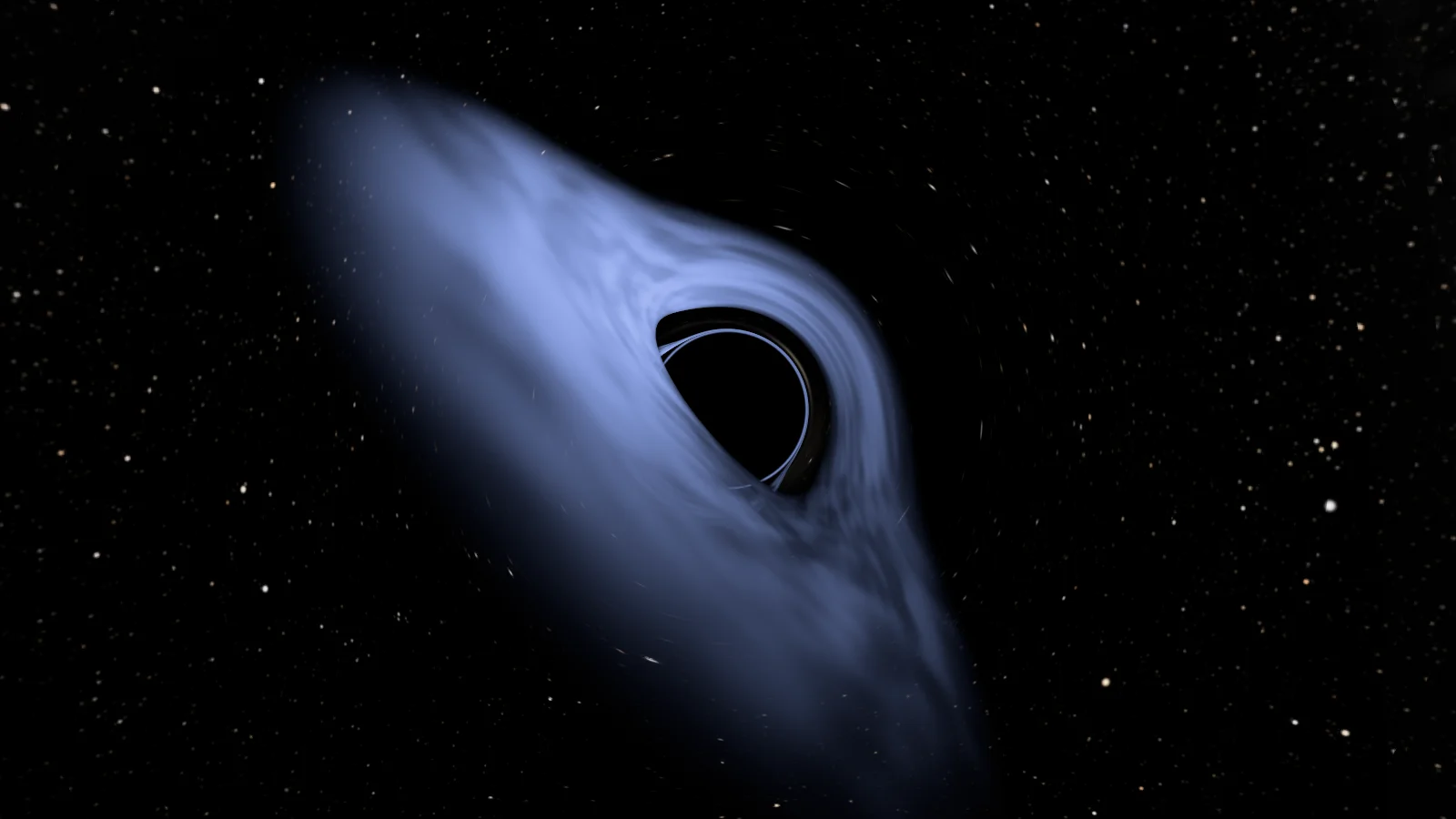
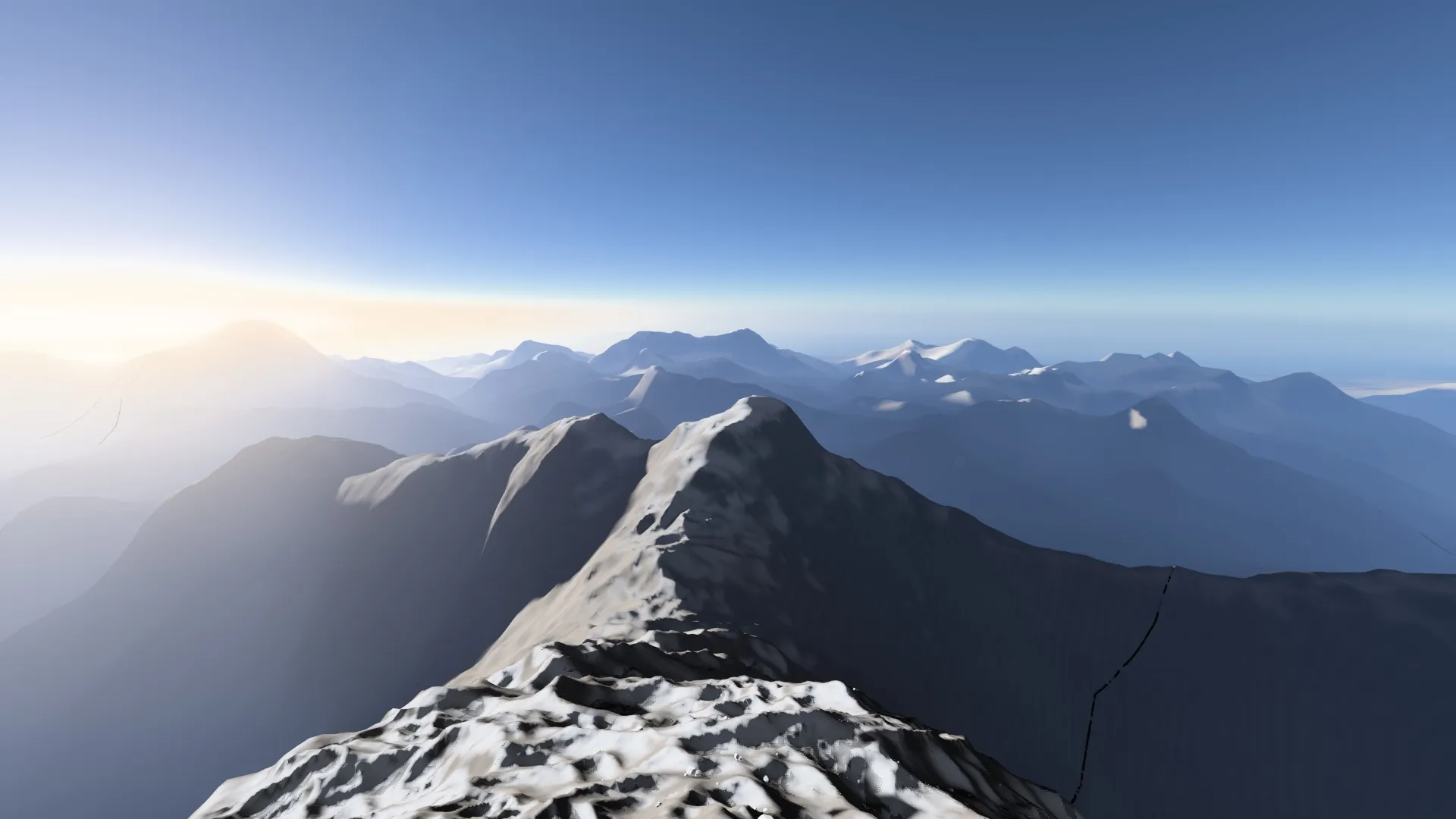
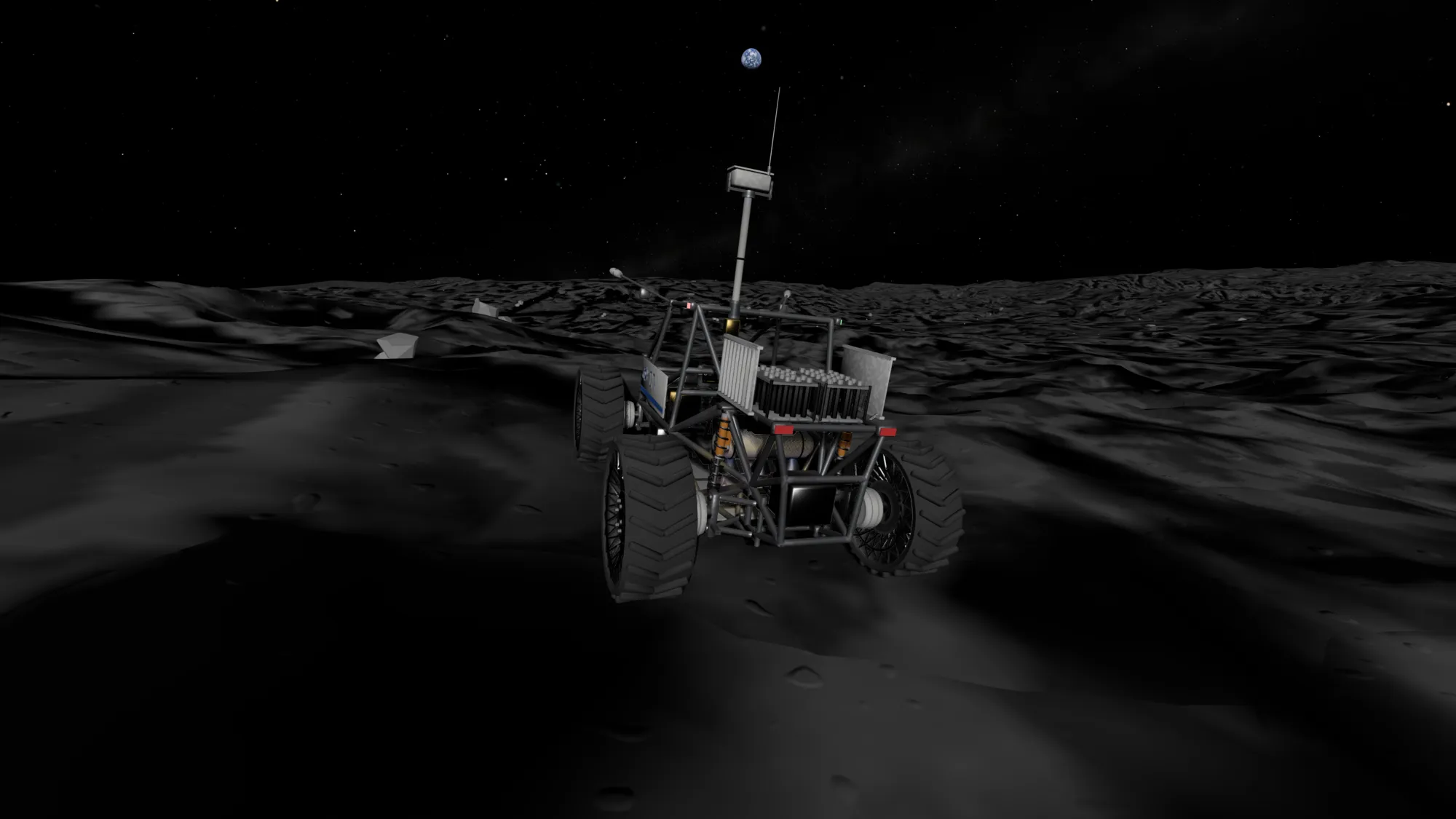
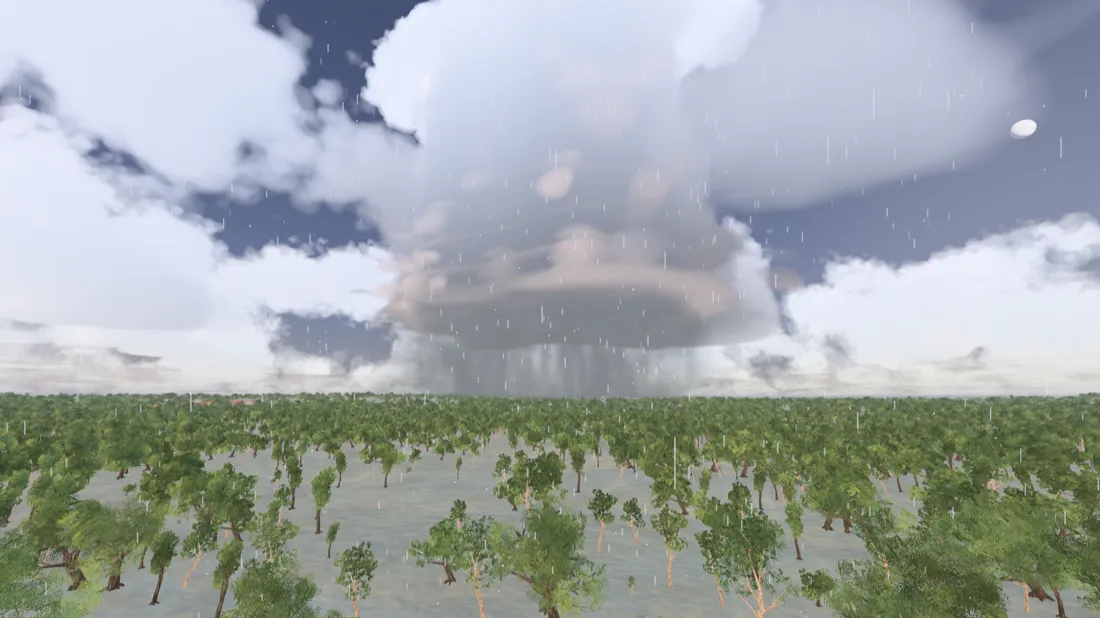
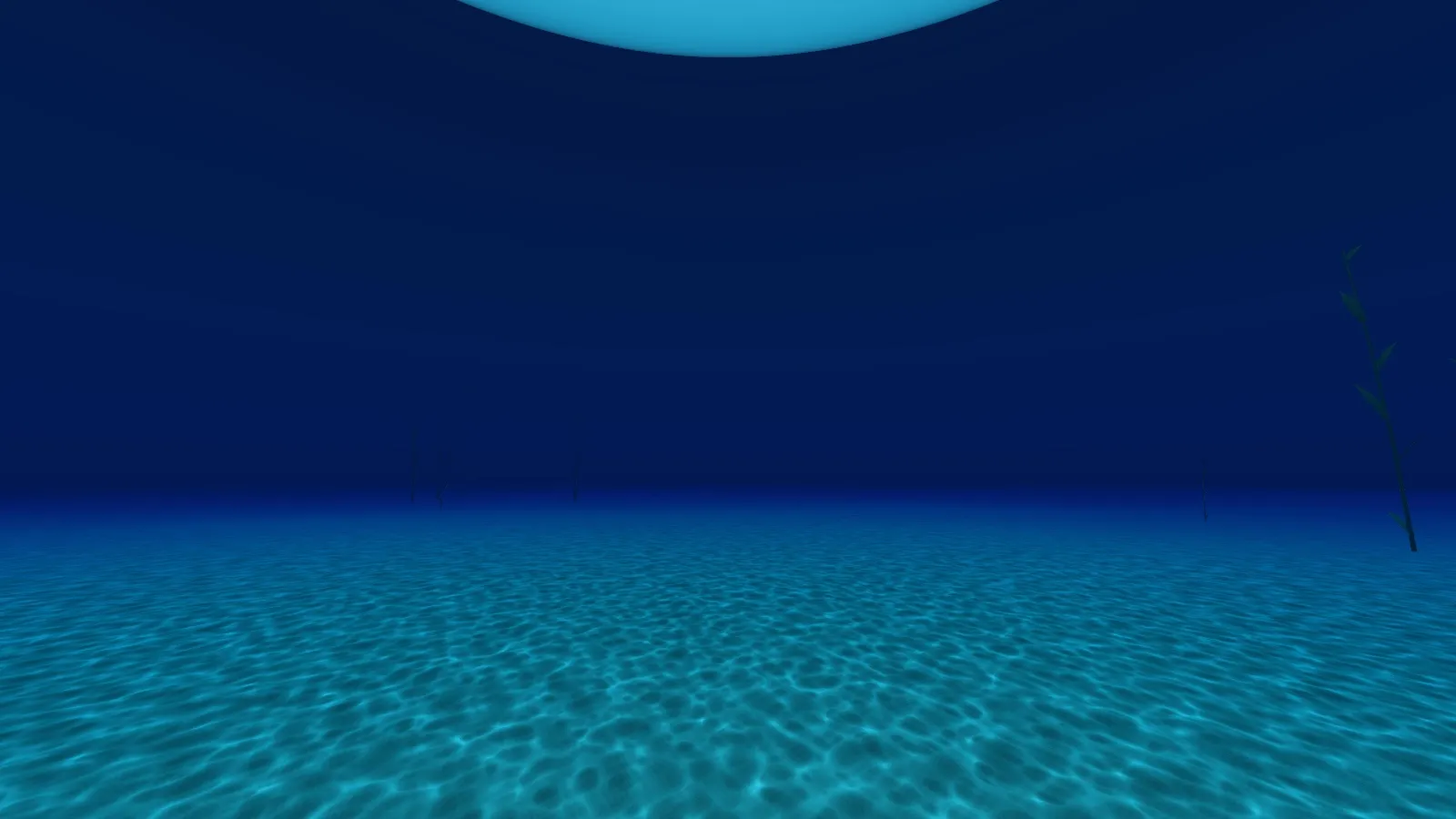
Teskooano (tes-koo-ah-no) puts our Solar System and endless generated systems in your browser, with every body pulling on every other. Fly from orbit down to the ground of any solid world, land, and drive a buggy across it. Watch light bend around black holes, or take the guided Grand Tour.
Our Solar System, placed where it is today.
An ultracool dwarf with seven rocky planets in a resonant chain, three of them in its habitable zone.
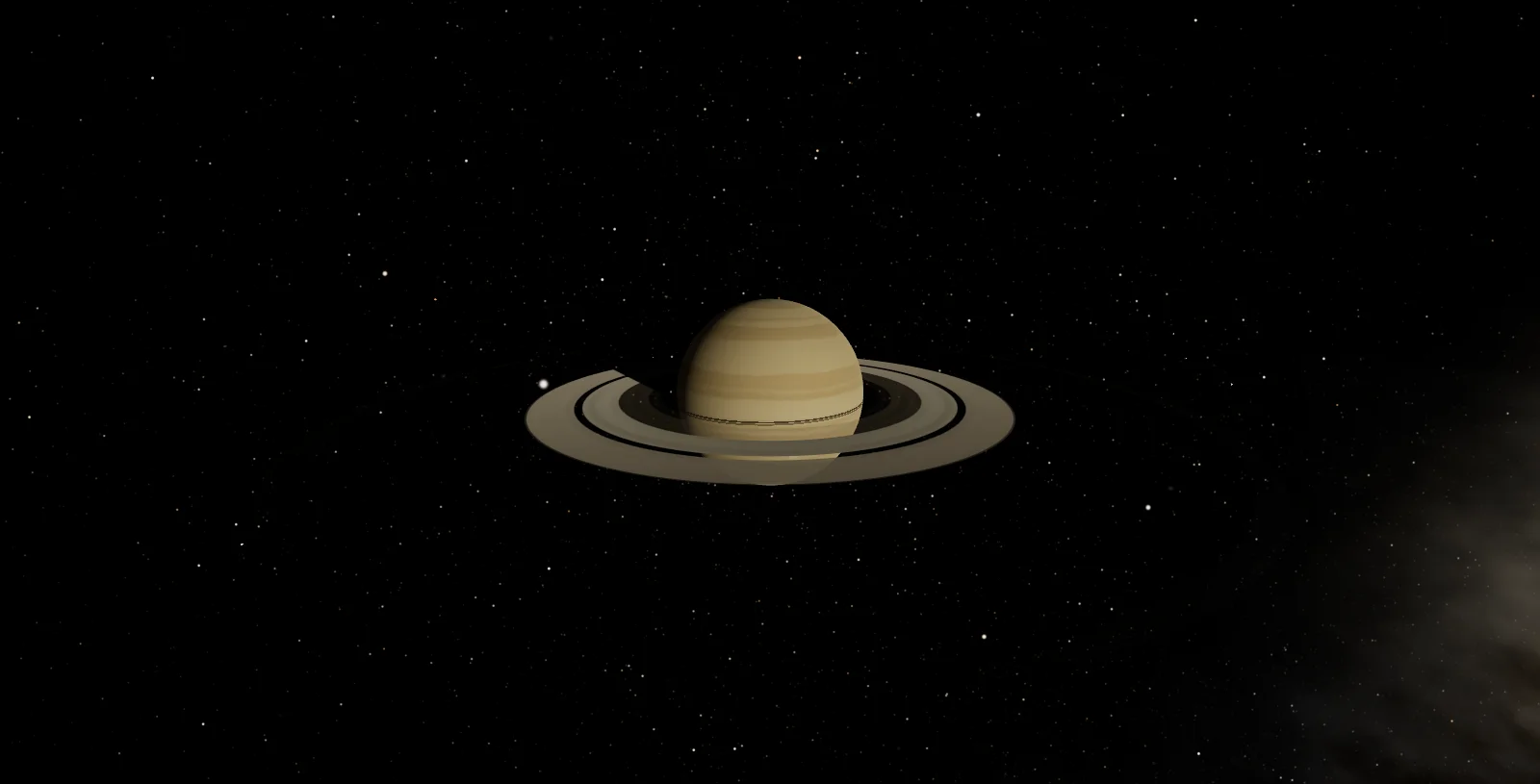
The first transiting circumbinary planet: a Saturn-mass world orbiting a K and an M dwarf every 229 days.
Fiction, from Firefly: the White Sun and the Core, with Georgia, Red Sun, Kalidasa and Blue Sun circling it, from Londinium and Persephone out to Shadow and Miranda.
From Kerbal Space Program: Kerbol and its worlds, from Moho to Eeloo, on the game's own orbits, with Jool's moons made light enough to survive real gravity.
From Elite Dangerous: Achenar, the jewel of the Empire, featuring the massive primary B-star, Capitol and Conversion, and multiple gas giants with moon systems.
From Elite Dangerous: Maia, the landmark Pleiades system featuring the blue-white giant Maia A, the Maia B black hole, multiple brown dwarfs, and extensive ringed gas giant systems.
Any seed makes a new system: single and binary stars, neutron stars, black holes, planets, moons, rings and comets, under a sky of its own. The same seed always makes the same system.
Browse all 39 systems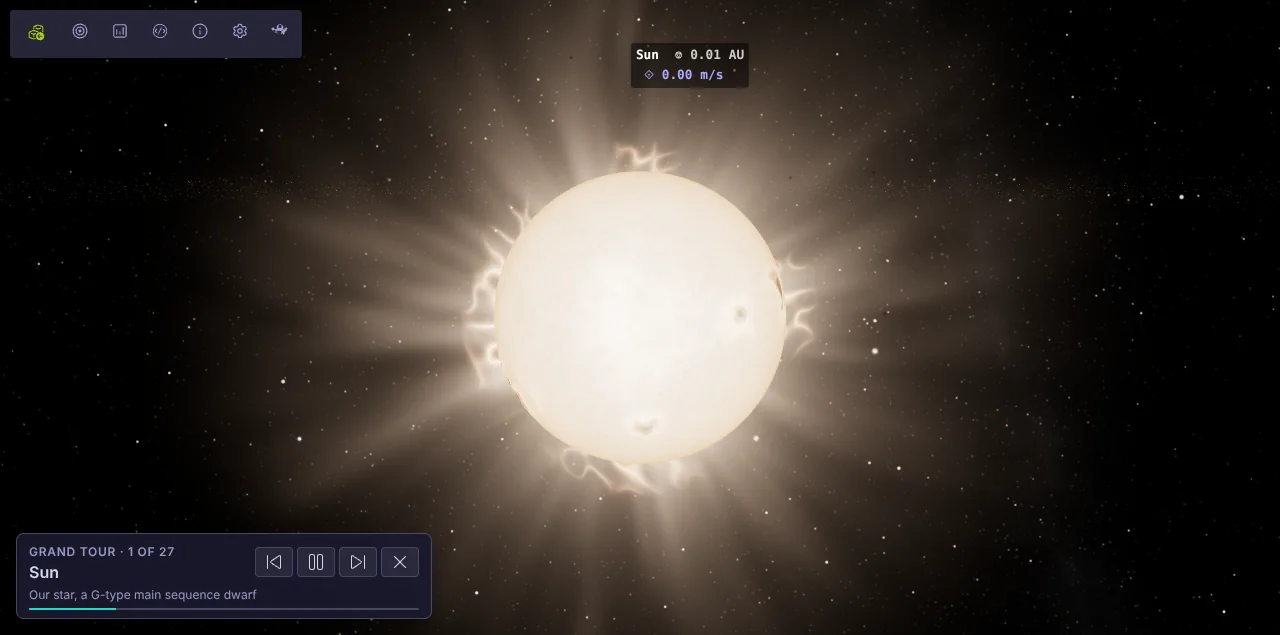
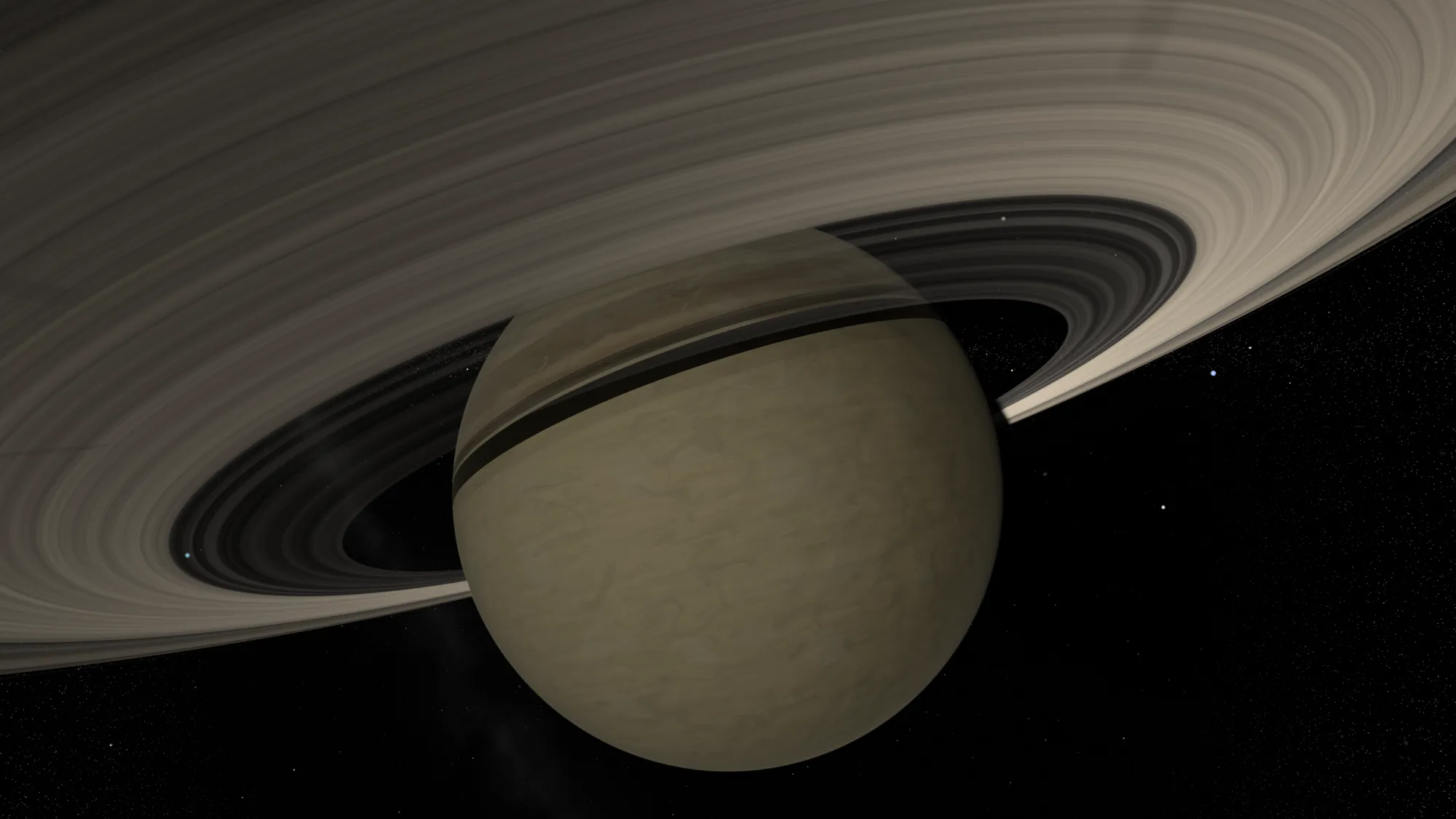
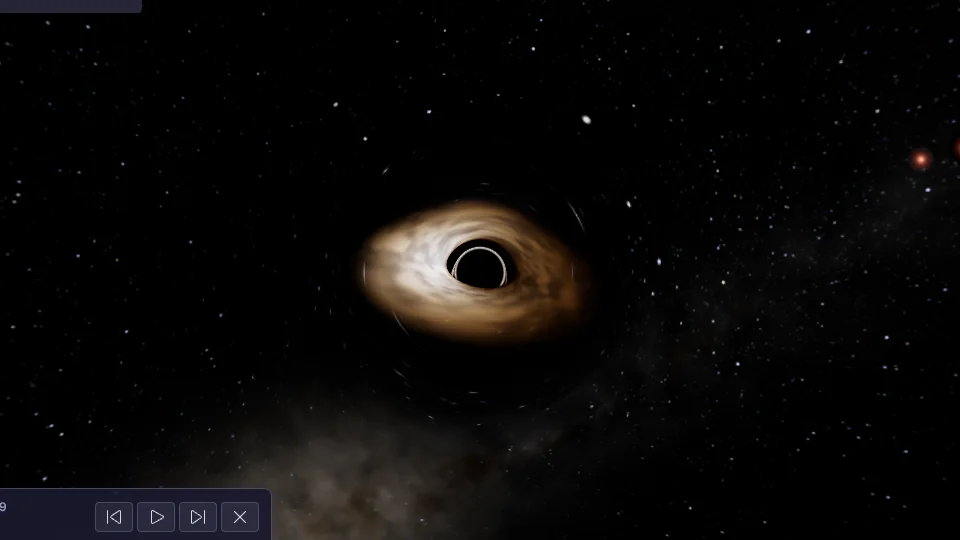
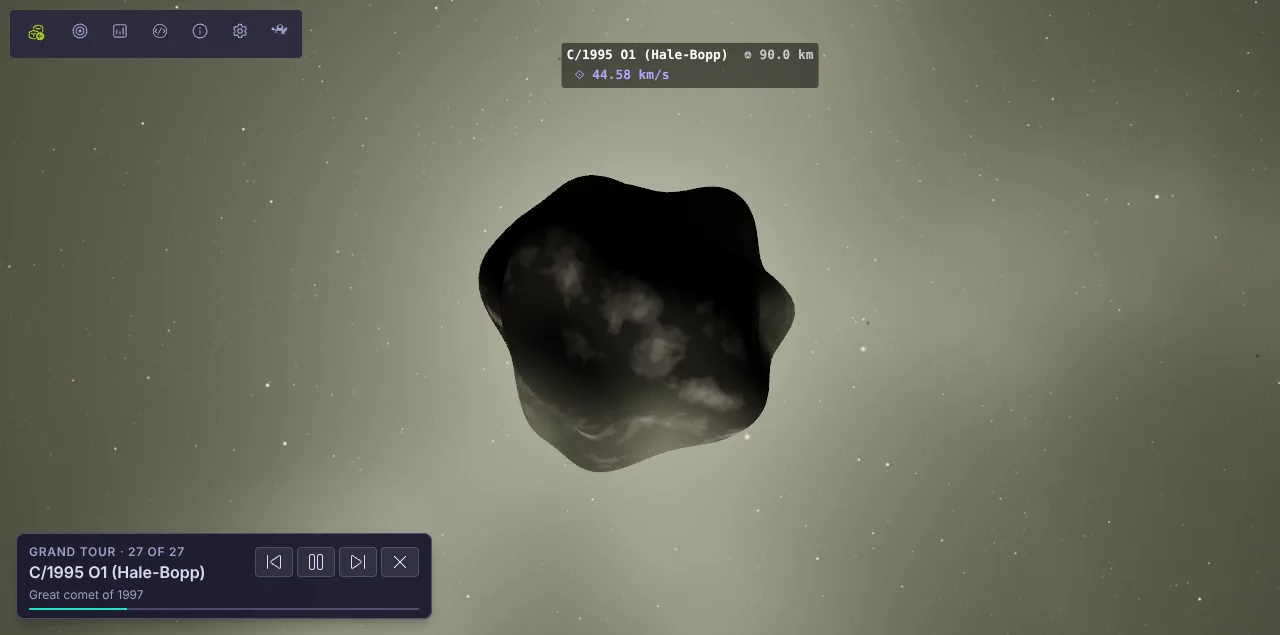
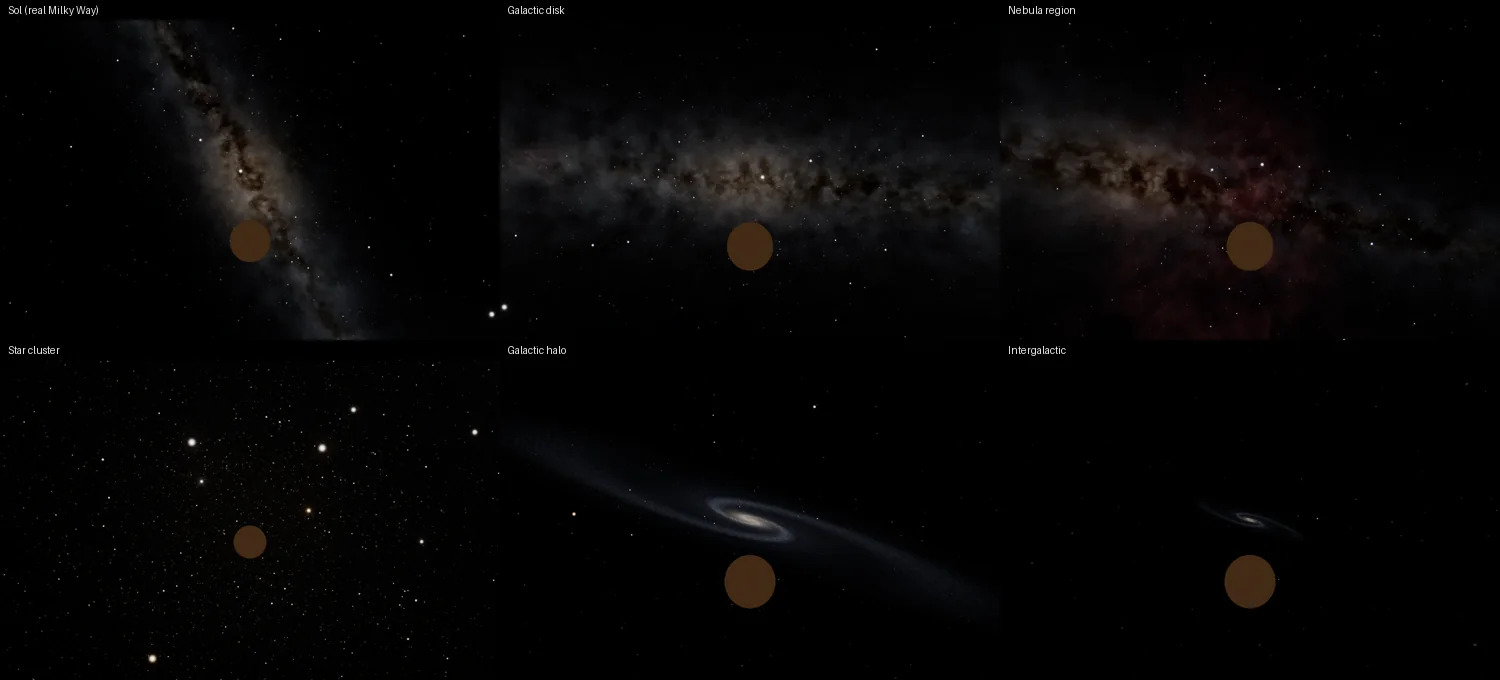
New here? Get started or readthe guides.
Community
Teskooano is built in the open, and the people who use it shape what comes next. Come and say hello.
“…my first Teskooano had already been set up in the observatory which I had constructed on the planet Mars.”
I build Teskooano on my own, in the open. The dev diary follows along, and bug reports and ideas are welcome on Discord. For developers.